
Something shifted in AI illustration over the past few weeks, and it matters for anyone making a book. The image tools crossed a line from “clever” to genuinely studio-grade: a recent July 2026 roundup clocked the latest models rendering 4K images in under ten seconds, with physics-aware lighting and — finally — legible text rendered right inside the picture.
That is not a party trick. Those three things — resolution, believable light, and readable in-image text — are exactly what separates a fun screenshot from art you can actually put on paper. Here is what it looks like when that quality lands inside a real book.
What “studio-grade” actually means
Three upgrades did the heavy lifting, and each one maps to a real printing problem:
- 4K resolution. Enough pixels to fill a full-bleed page and still look crisp at trim size — the difference between a sharp print and a soft, upscaled one.
- Physics-aware light. Shadows, reflections and depth that hold together, so a character or a product reads as a real object instead of a flat sticker.
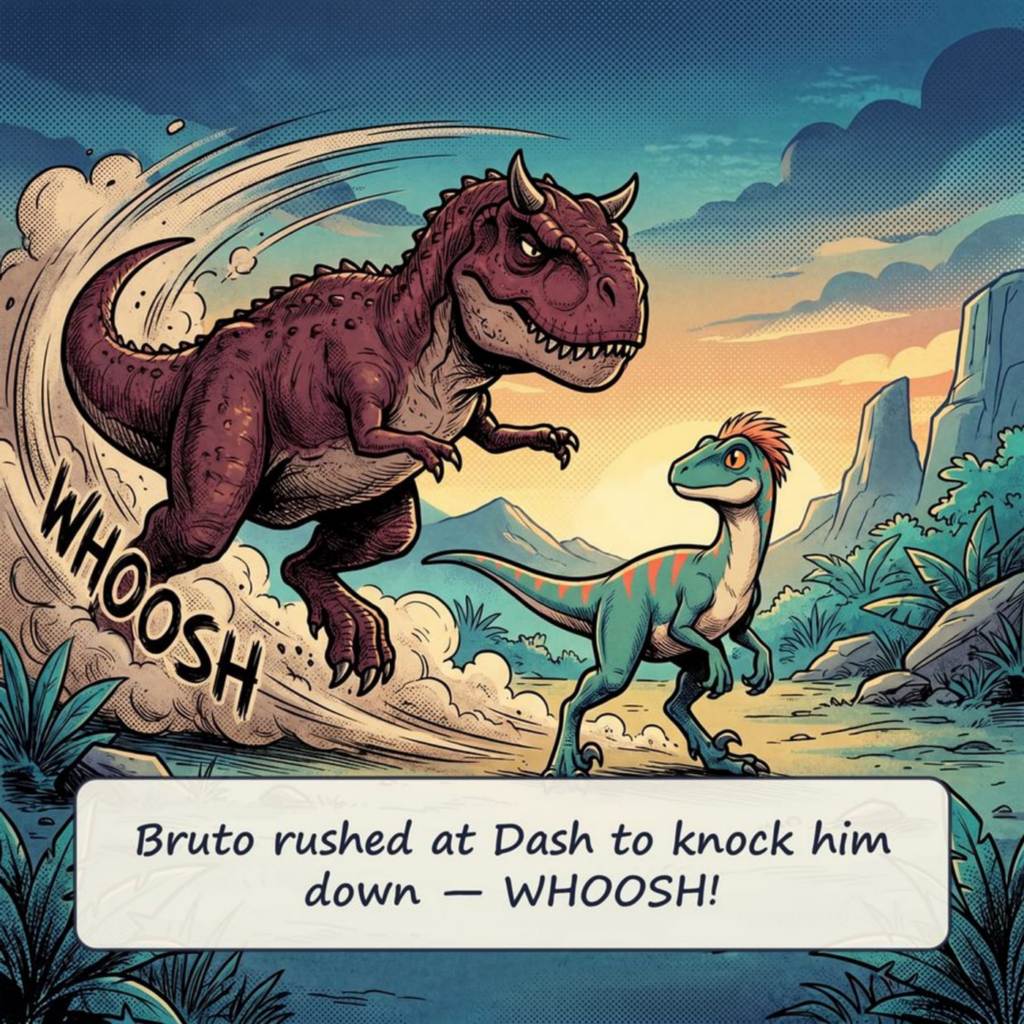
- Legible in-image text. Words the model can actually spell — useful for signage, labels and comic captions baked into a scene.
Independent testers have been saying the same thing all month — a mid-July rundown of the top image generators put precision, control and print-ready output at the centre of the conversation, not just aesthetics.
The same jump, inside your book
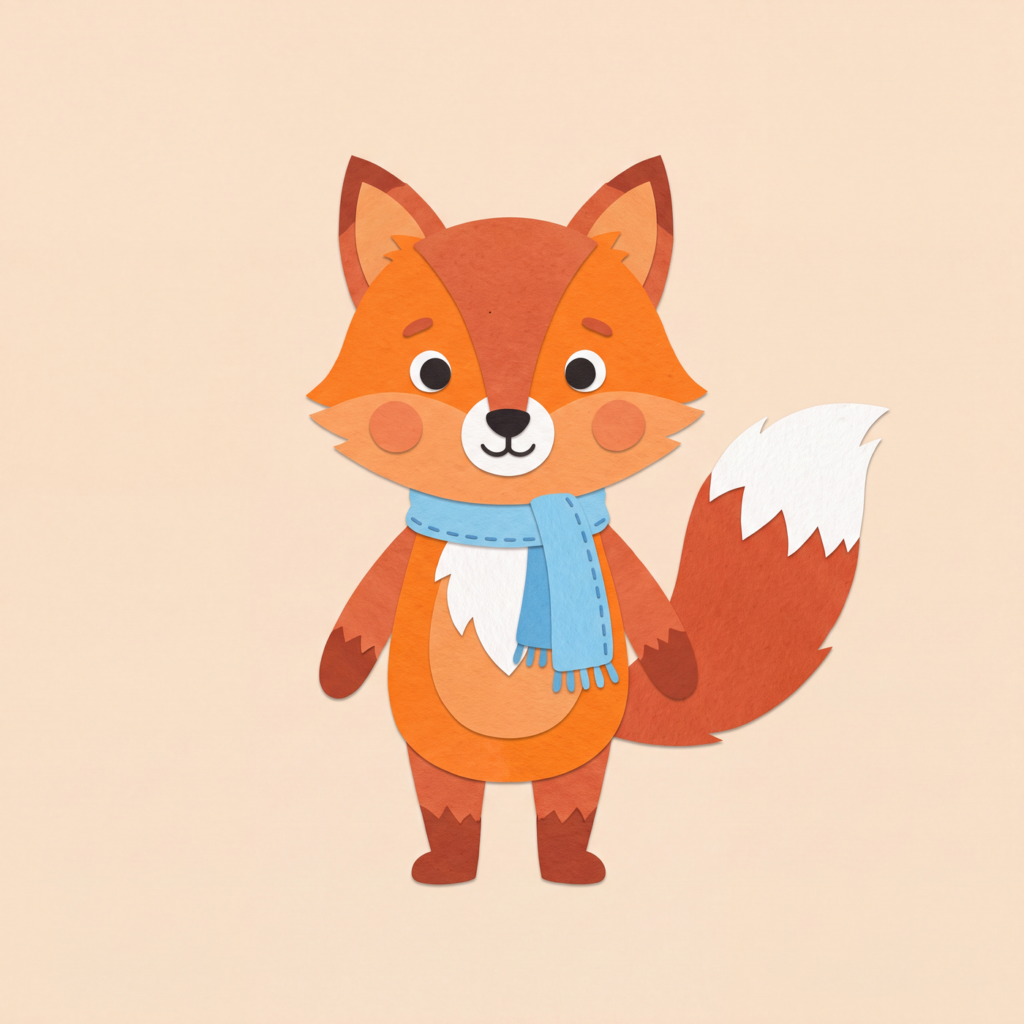
Custom Book Studio illustrates every book with this same class of image engine, so the leap shows up directly in what we can print. The point isn’t one look — it’s range. The same pipeline moves from a soft children’s collage to a cinematic comic panel to a photoreal cover, and each one holds up at print resolution.
Resolution is a printing story, not a screen story
On a phone, almost any image looks fine. Print is less forgiving: ink at 300 dots per inch reveals every soft edge and low-res artifact. A 4K source gives a full-page illustration the pixels it needs to stay sharp all the way to the trim — which is why this particular upgrade, more than any style trend, is the one that changes what a printed book can look like.
A great picture still isn’t a finished book
Here is the honest part. Studio-grade art is the raw material, not the deliverable. A book needs the same character to hold across forty pages, a cover whose title is set cleanly and spelled right, a print file at the correct size and bleed, and a proof to approve before anything is bound. As the self-publishing community has been discussing, a great cover is still a decision, not a single click.
That last mile is the whole job at Custom Book Studio. The AI Book Designer turns studio-grade art into a coherent, consistent book, sets your cover text, and hands you a real print file — and the words and the art stay yours. Choose your binding and paper, approve a 3D proof, and put it into print.
Where we get our news: for printing, paper and book manufacturing we follow PrintCAN; for the indie-author beat, The Alliance of Independent Authors, Jane Friedman and The Passive Voice.